Bud Leavell, a 72-year-old retired salesman and Air Force veteran residing in Arlington, Texas, reported that his severe Parkinson’s tremors disappeared within minutes of receiving a new medical treatment.
Leavell, who was diagnosed with the condition in 2017, previously found it difficult to perform fine motor tasks such as repairing radios, using binoculars, or operating a computer mouse due to the shaking in his dominant hand.
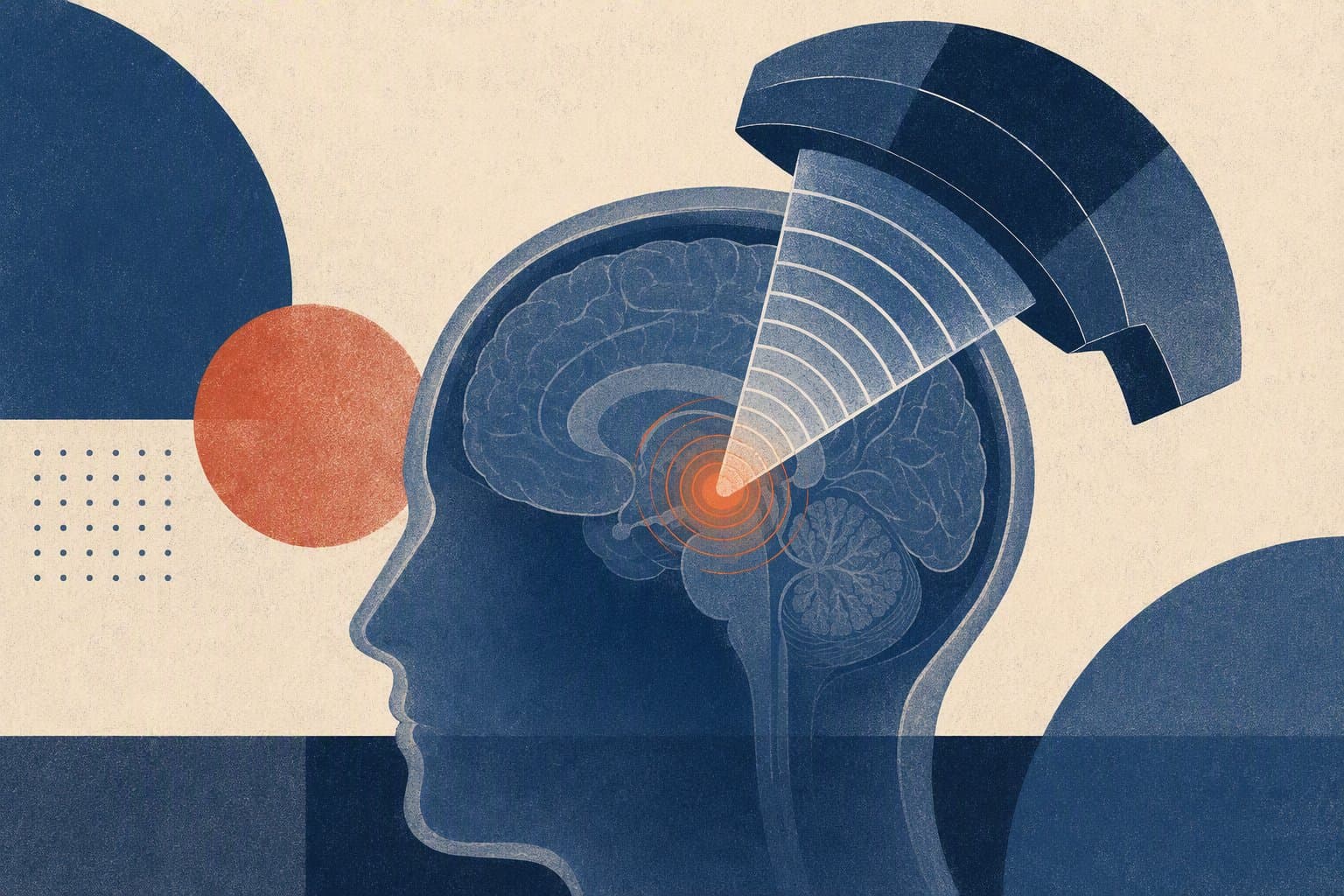
The procedure took place at UT Southwestern Medical Center, where Dr. Bhavya Shah, a neuroradiologist, introduced Leavell to the therapy. This treatment, approved by the FDA in January 2026, utilizes high-energy ultrasound waves directed through the skull to target specific nerve bundles in the brain. Unlike deep brain stimulation, which requires surgical incisions, this method is non-invasive.
The ultrasound energy heats and removes the targeted tissue to stop the electrical activity responsible for tremors and other motor symptoms.
Dr. Shah explained that while medications are the standard first-line treatment for Parkinson’s disease, interventional options are considered when those drugs become less effective or cause side effects. The focused ultrasound approach allows physicians to test a patient’s response using low-energy waves before permanently altering brain tissue. This step is crucial because the optimal target can vary between individuals.
In Leavell’s case, his tremor responded strongly to the initial low-energy testing, confirming the team had identified the correct area.